
The Porsche brain
A neuroscience look into performance, emotion, and identity.
The Problem
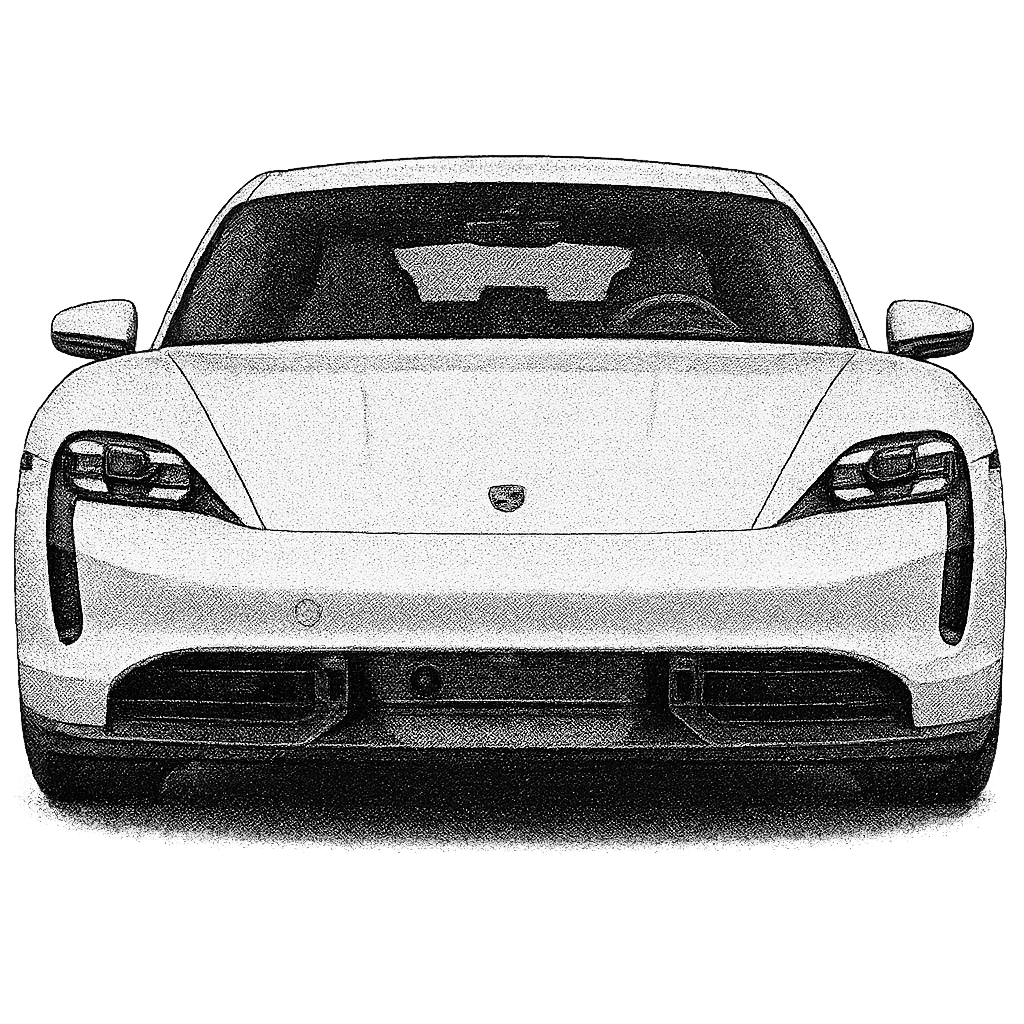
Porsche is going electric.
But the brain isn’t.
We’re wired for sound, sensation, and memory.
And when those inputs change, our psychology changes with them.
Core Insight
Cars don’t just move people.
They move minds.
Every curve, every vibration, every sound — they’re not just features.
They’re neural events that shape how Porsche feels.
Porsche Neural Journey
Three moments. Three brain states.
Anticipation
Dopamine. Desire. The feeling of “I want this.” Dopaminergic Reward System
The thrill before the first drive.
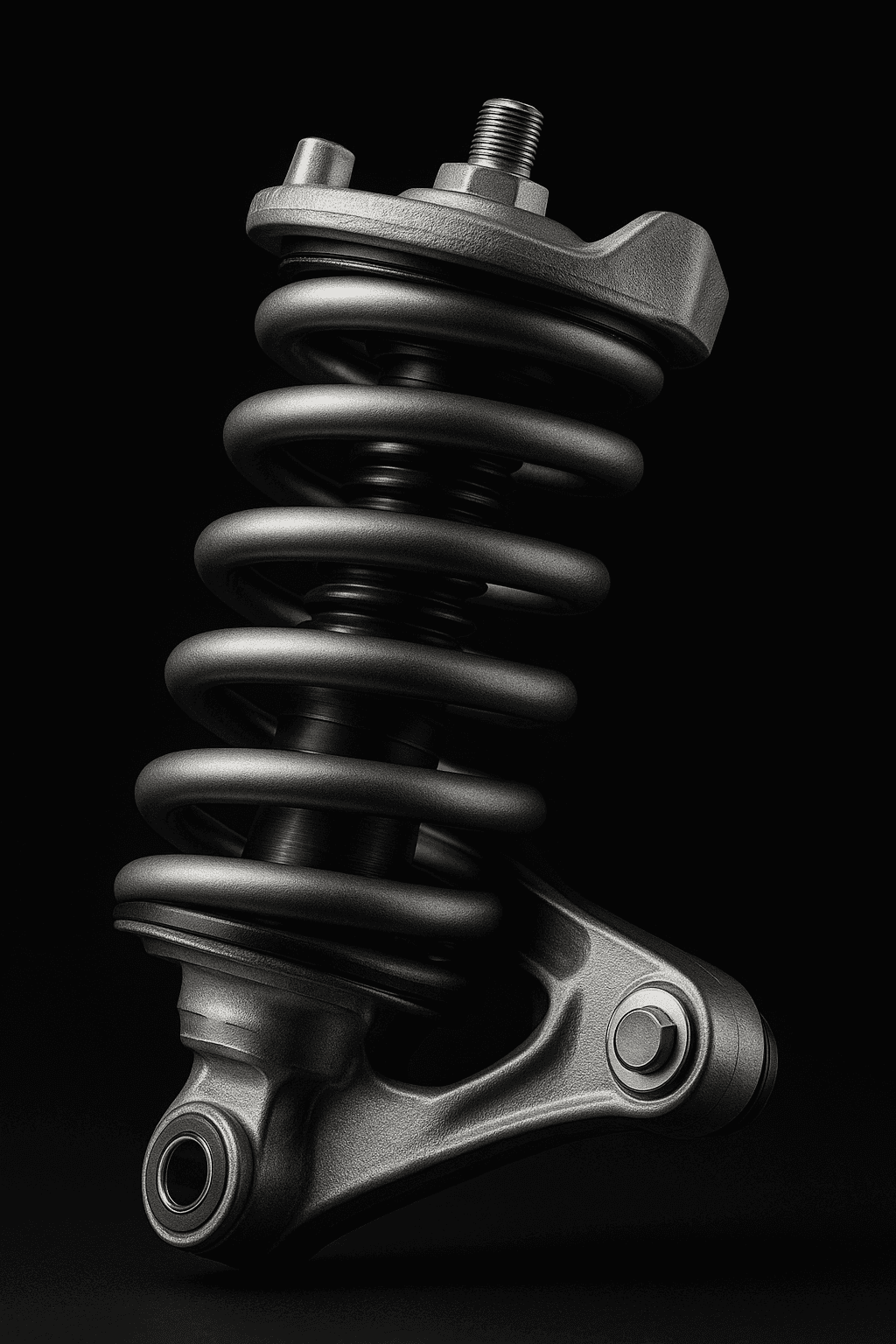
Experience
Sound, motion, G-forces. Instant emotional activation. Auditory + Motor Cortex The sound and motion that define Porsche.
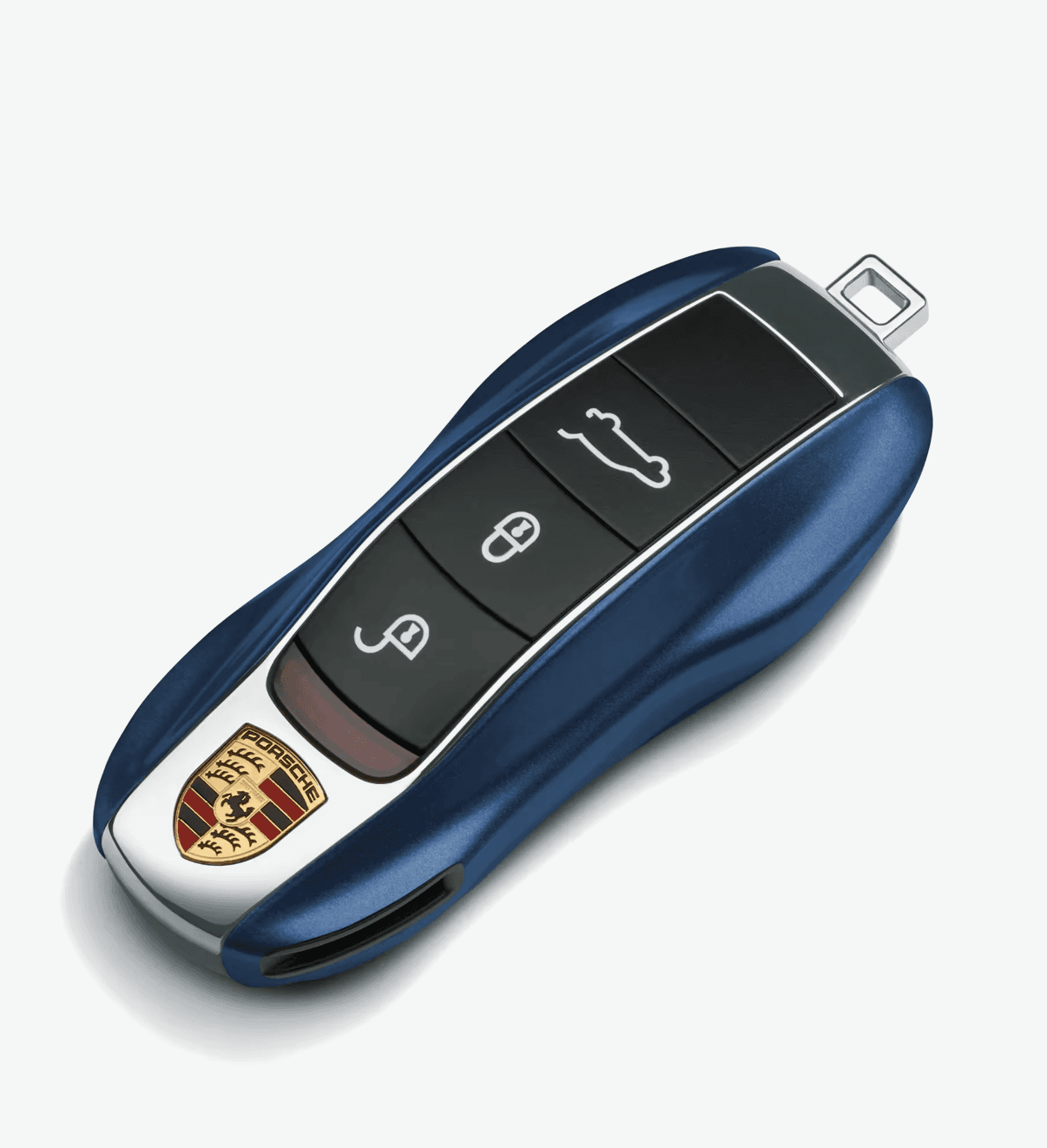
Ownership Identity
Pride. Self-expression. “This is part of who I am.” Prefrontal + Social Brain Network The meaning of owning one.
Not every Porsche driver thinks the same.
Because not every brain feels the same.
Purists
Live through sensation.
Engine sound = emotional memory.
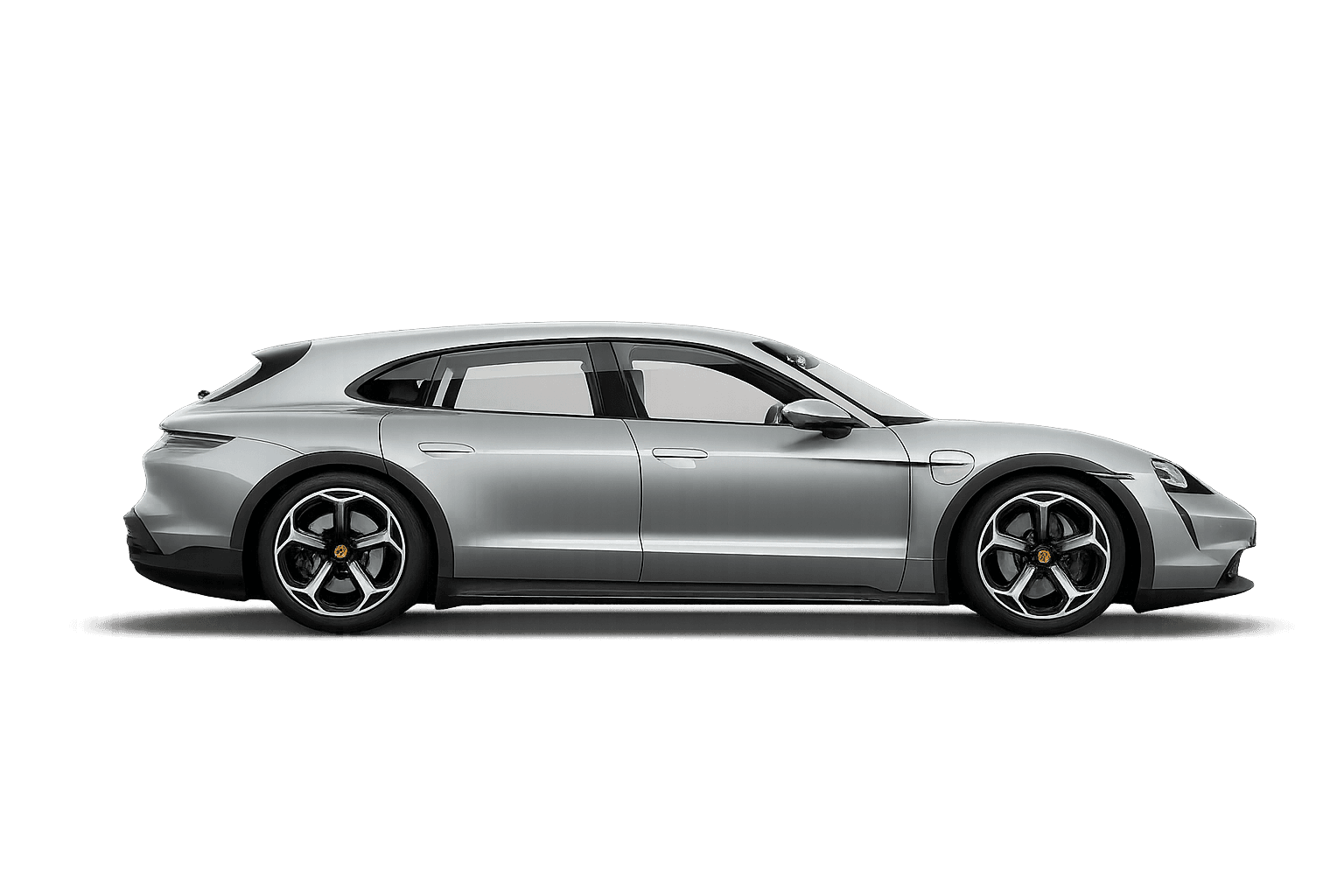
Status Seekers
Live through visibility.
How others see them matters.
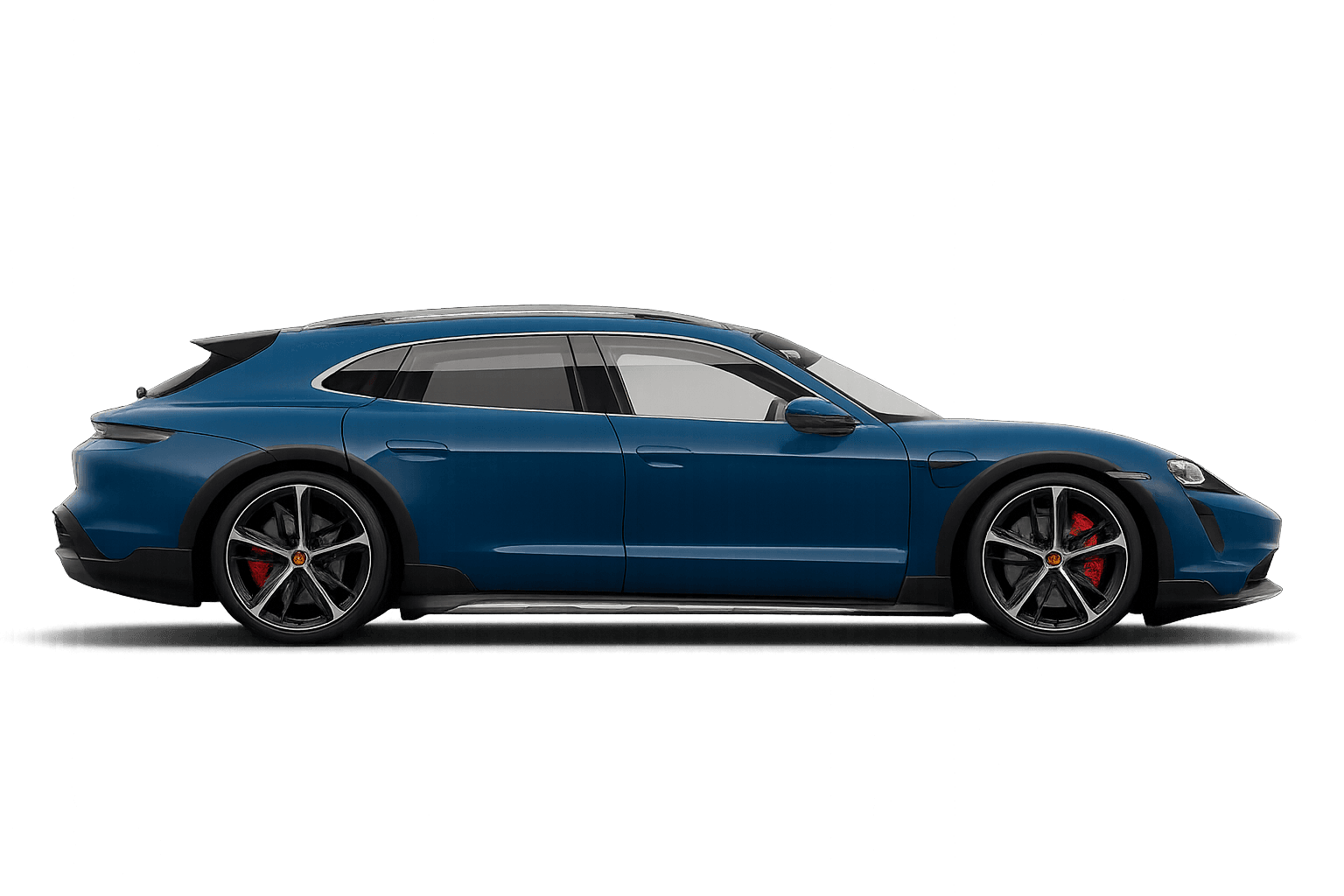
Tech Optimists
Live through progress.
Innovation gives them dopamine.
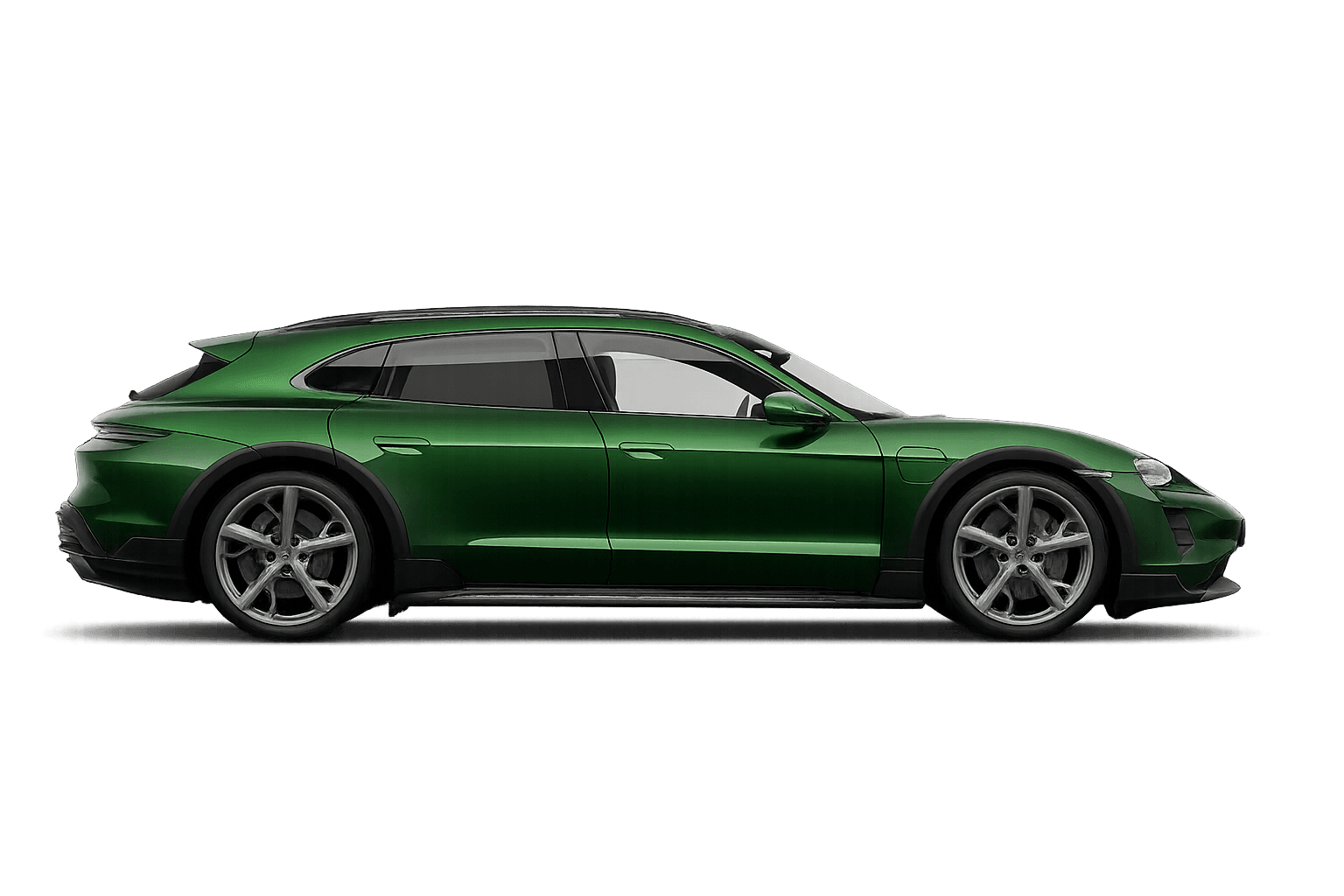
The EV Tension
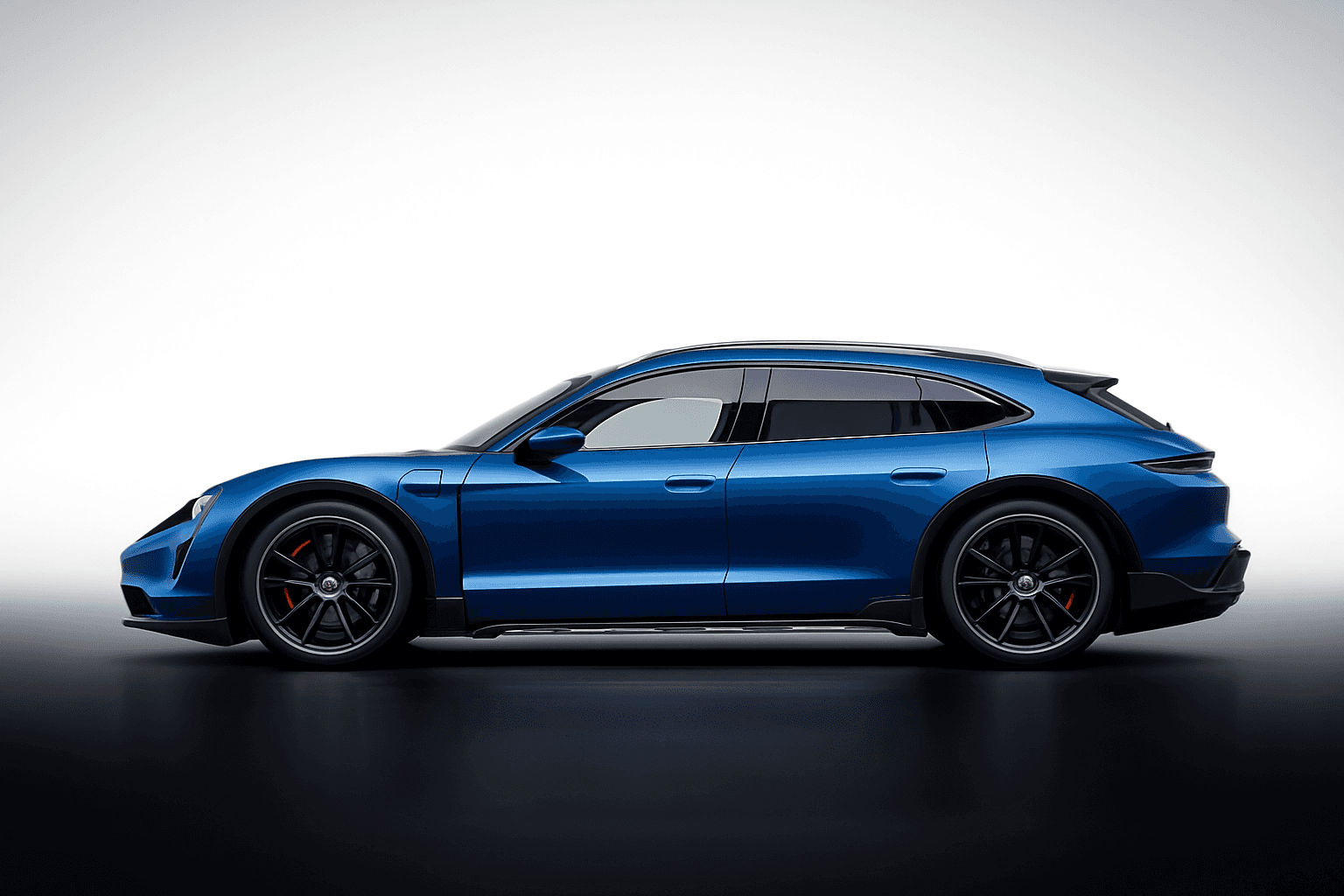
Evs change the car.
So they change the brain.
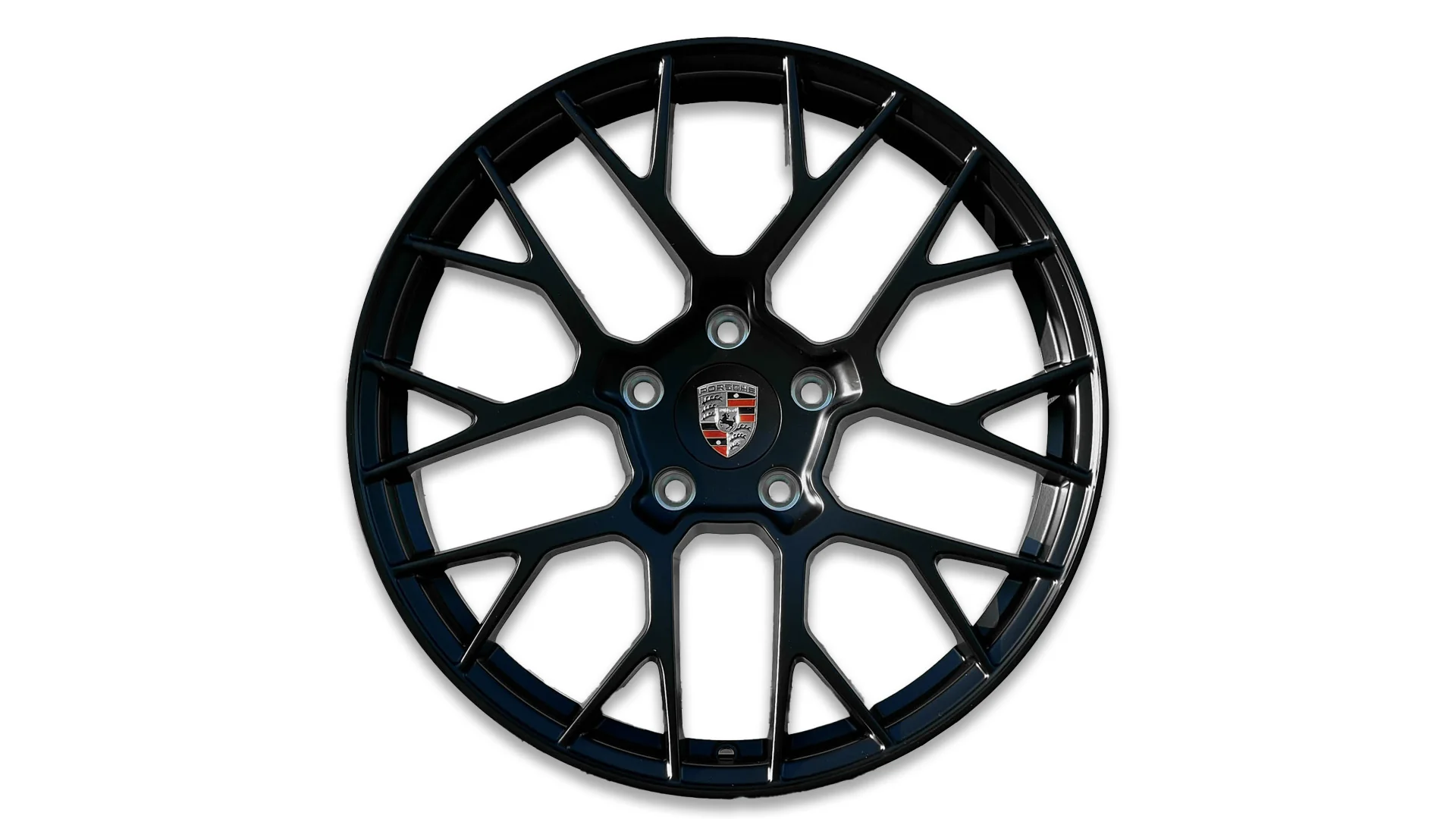
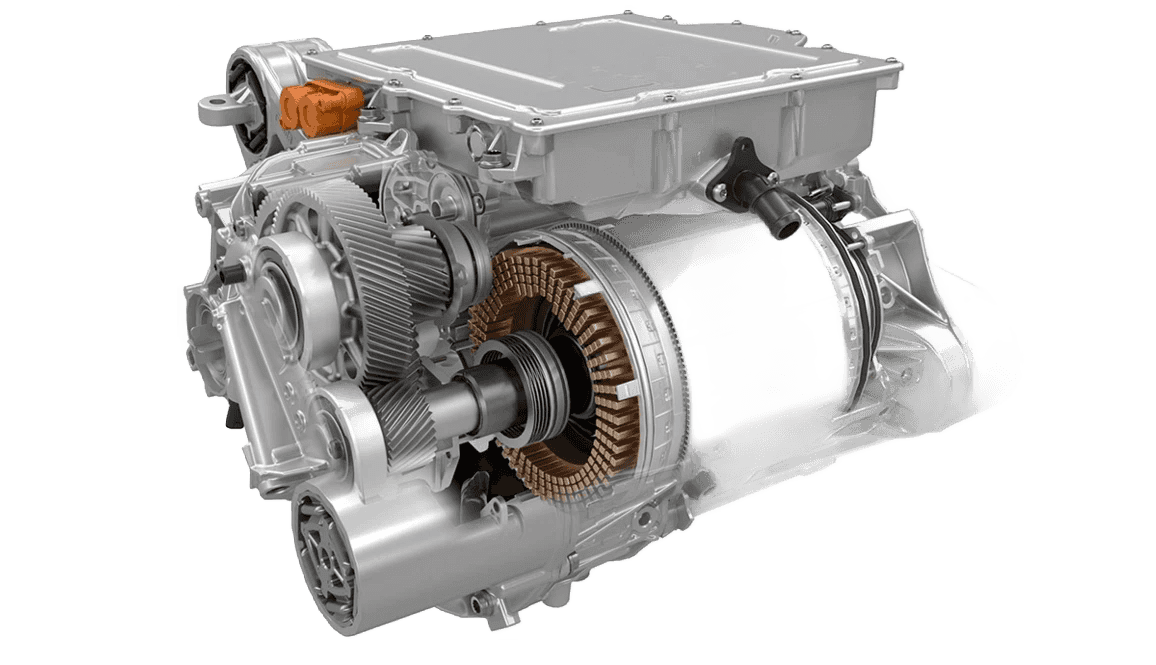

1
Silence erases key sensory triggers
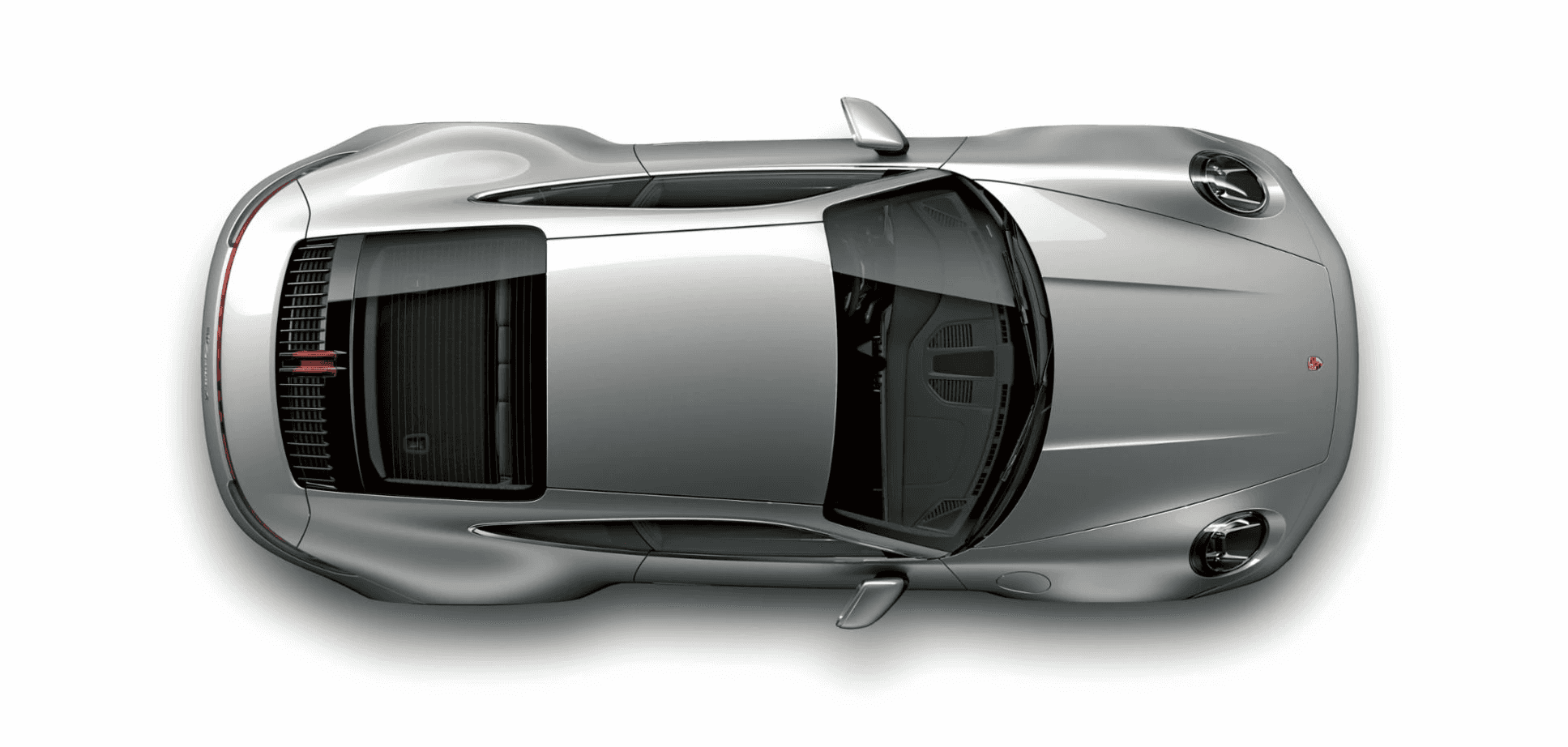
2
Torque changes emotional rhythm

3
Cultural meaning shifts by region
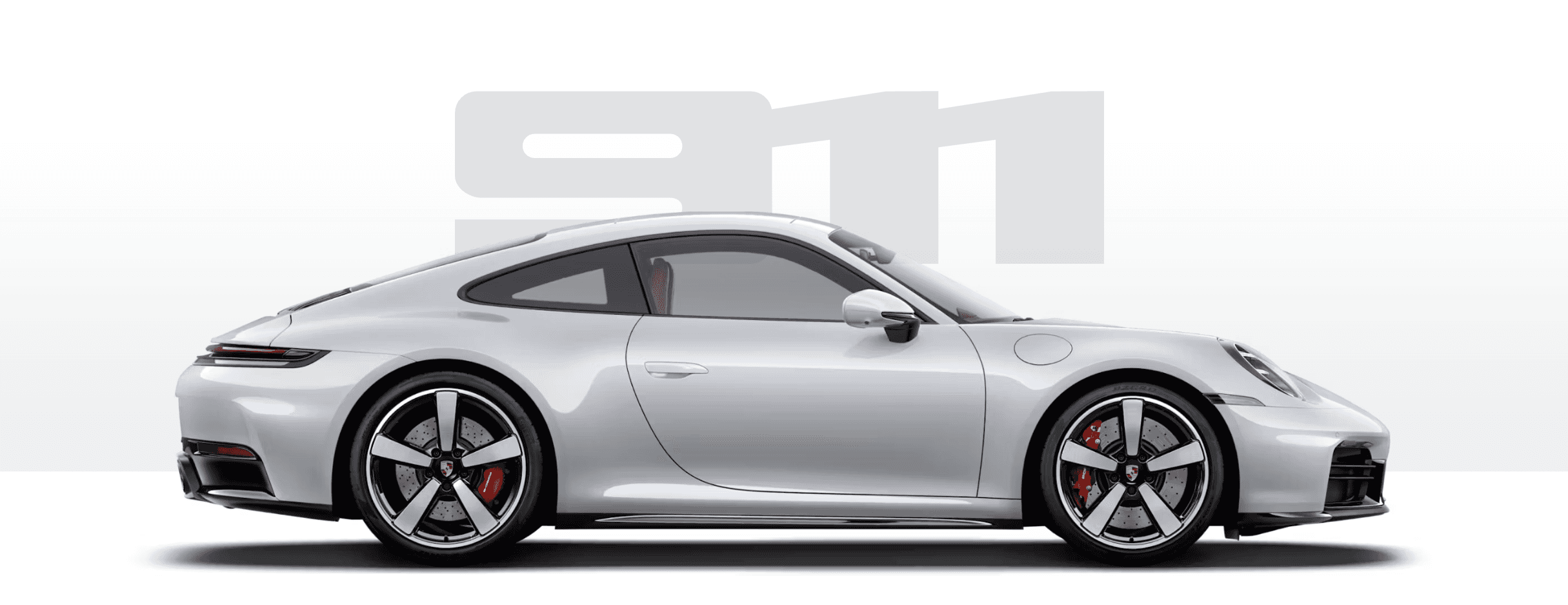
The Kouros Problem
When instinct and analysis disagree…
instinct wins.
EVs make rational sense.
But the Purist brain doesn’t operate on logic.
It operates on memory, emotion, and gut feeling.
And gut feeling is powerful.
What This Means for Porsche
To change behavior,
you must change neural inputs.
Rebuild sensory anchors for EVs
Preserve Porsche’s emotional DNA

Respect identity-based segments
Understand how each audience’s brain responds differently
So… how do we measure the mind?
To validate this neural map, we turn to real neuroscience tools.
EEG, Eye-tracking, fMRI, Sound experiments